Unlock Healing and Serenity with Crystals
Welcome to our sanctuary dedicated to the art of crystal healing. With a profound passion for crystals, we’re committed to sharing our knowledge and expertise with you. Our goal is simple: to offer a comprehensive, impartial understanding of crystals and their myriad benefits. Delve into this ancient practice with us as we explore the mystical properties and spiritual significance of each gemstone. Whether you seek solace, balance, or simply wish to bask in the splendor of nature’s wonders, you’ll find everything you need right here.
Embark on a journey of self-discovery and inner peace with the transformative power of crystals
Browse Crystals & Gemstones by Criteria


Crystals & Gemstones Meanings
Unveiling Their Potency and Symbolic Essence
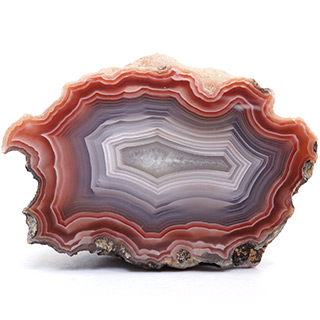
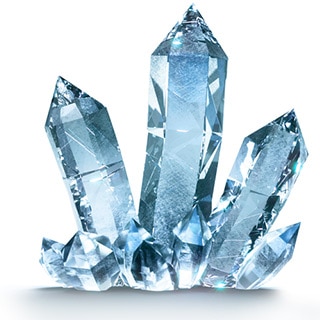
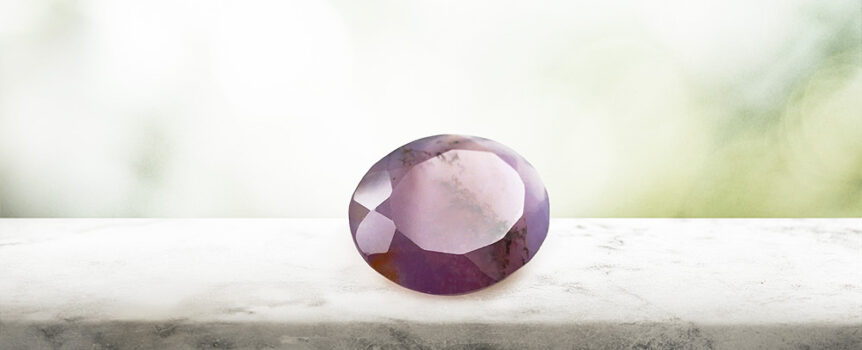
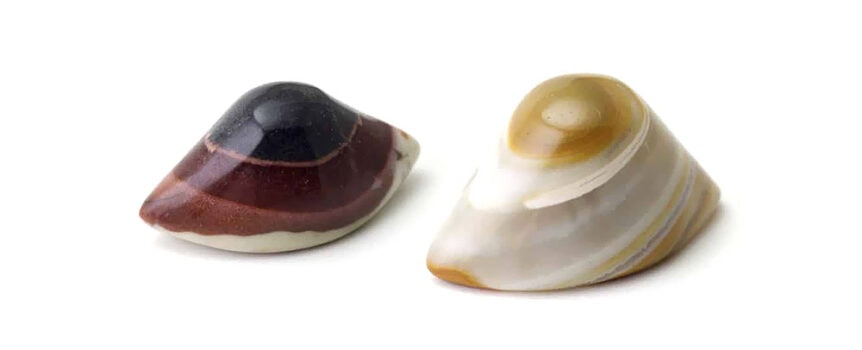
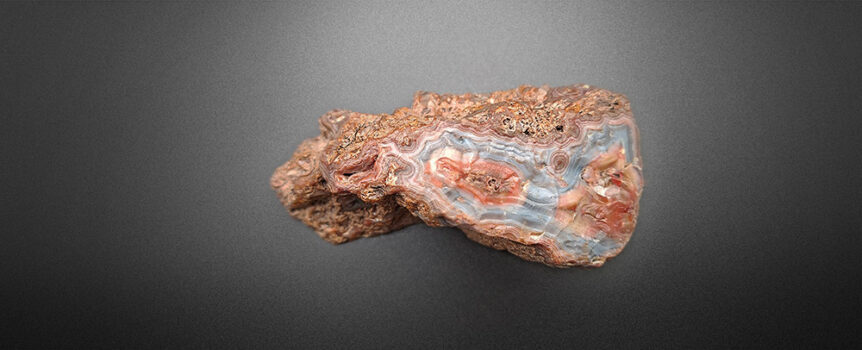
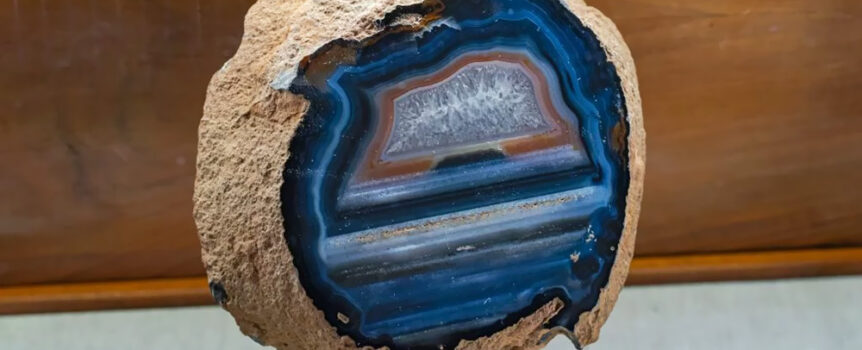
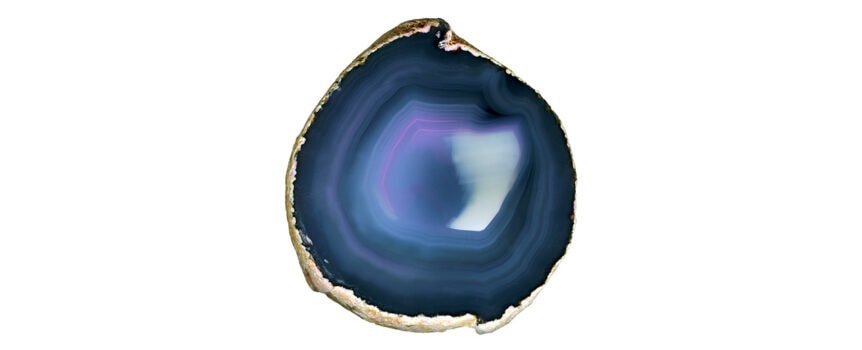
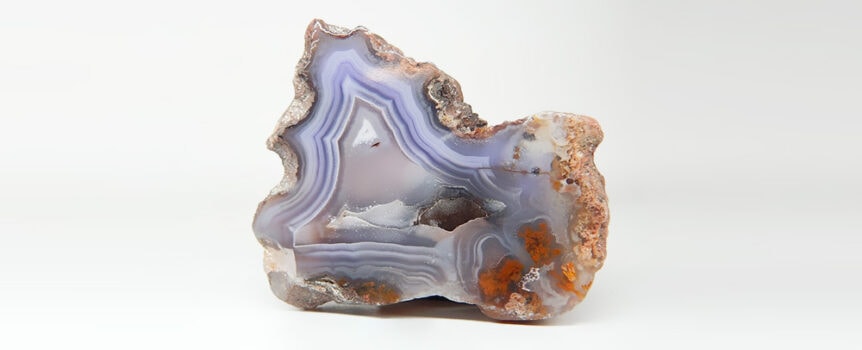
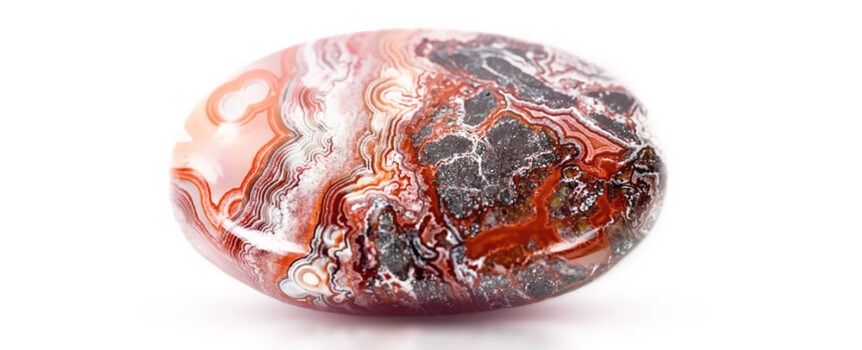
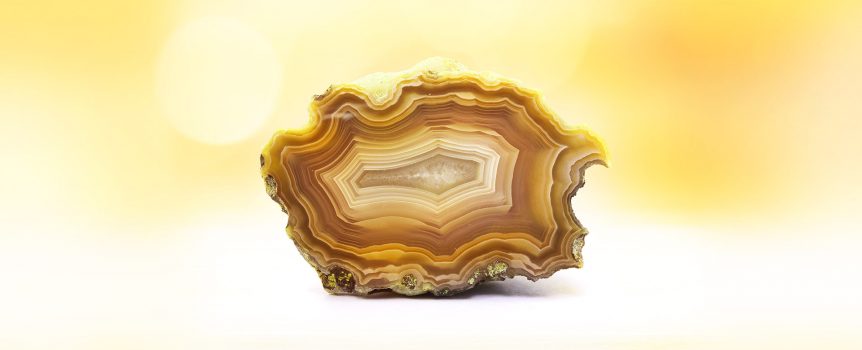
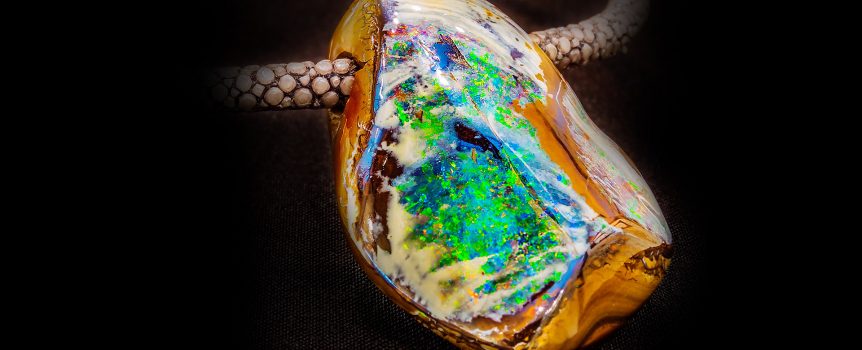
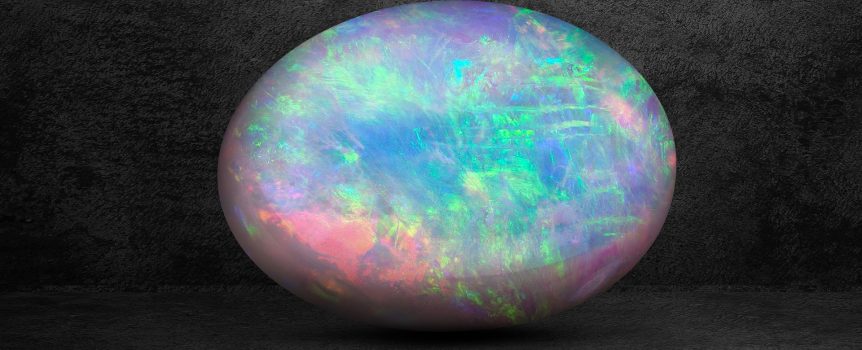
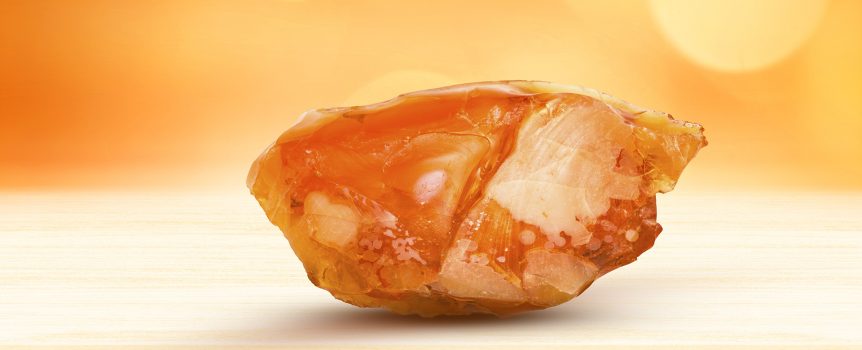
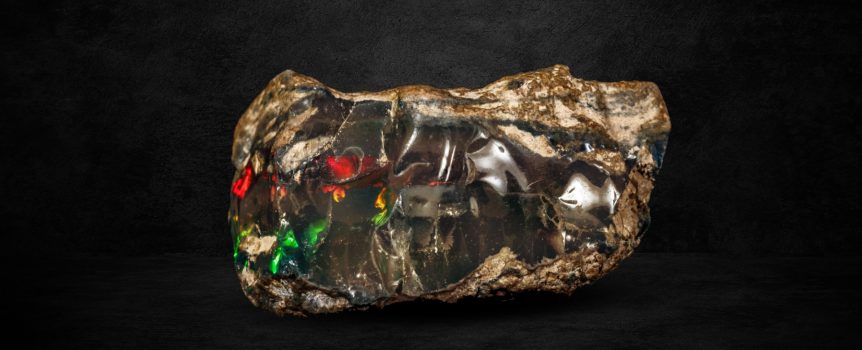
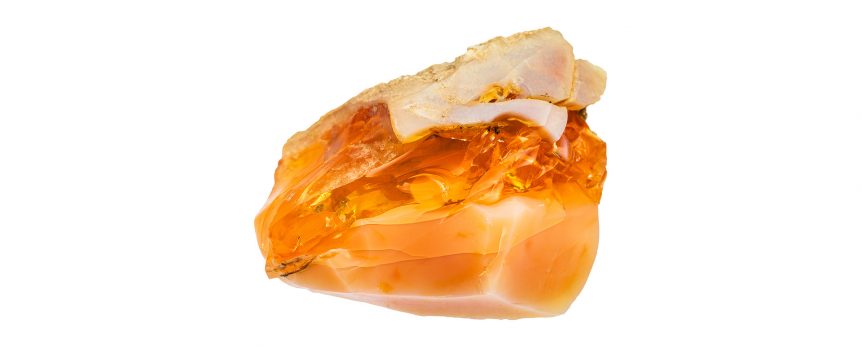
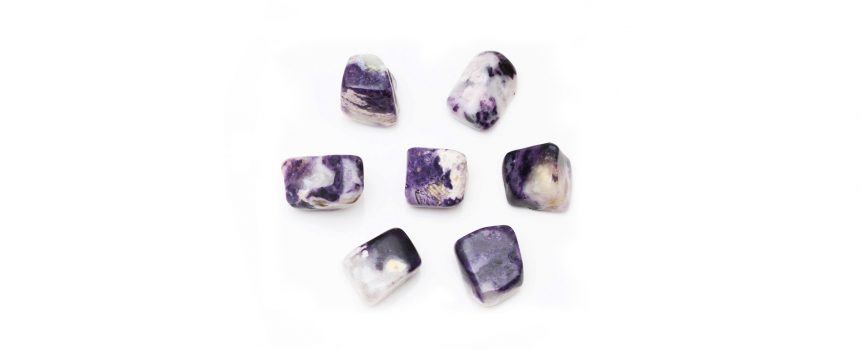
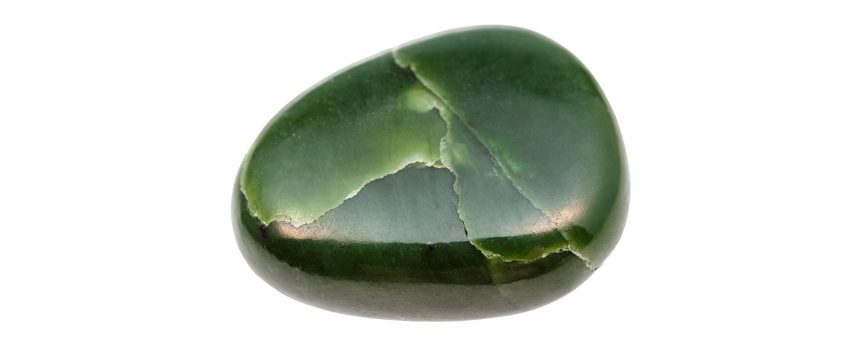
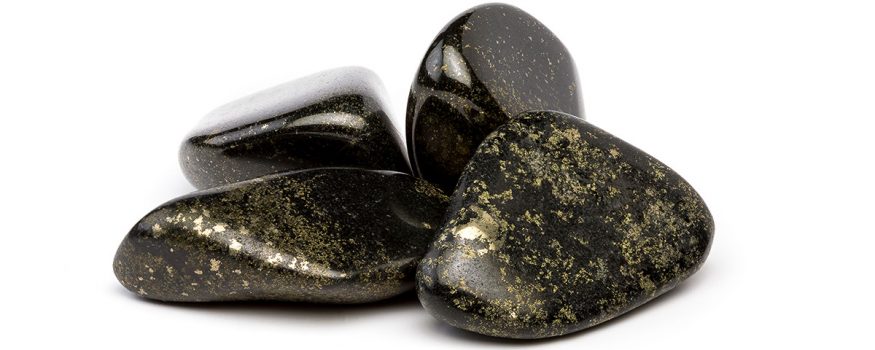
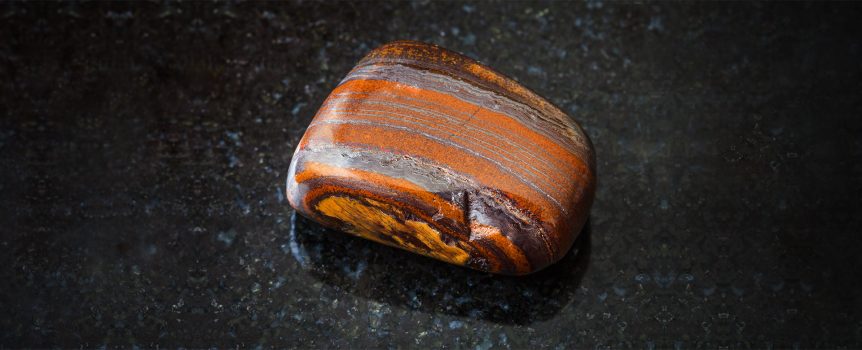
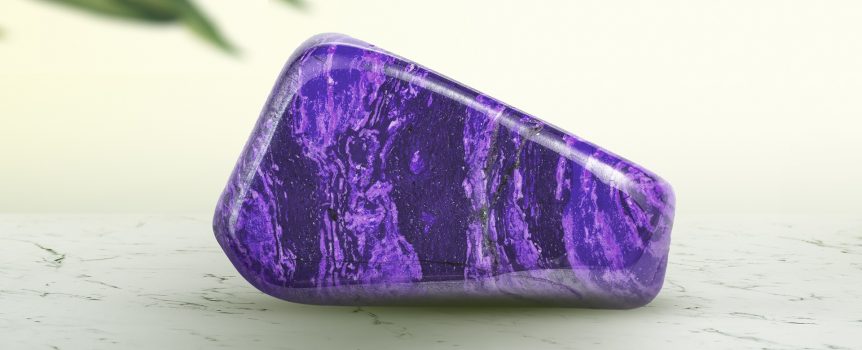
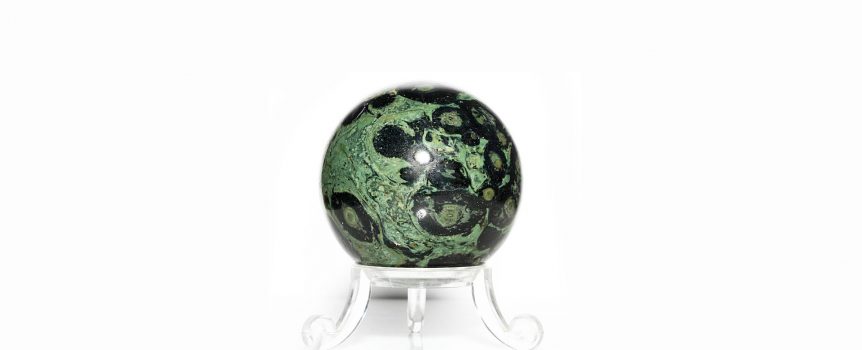
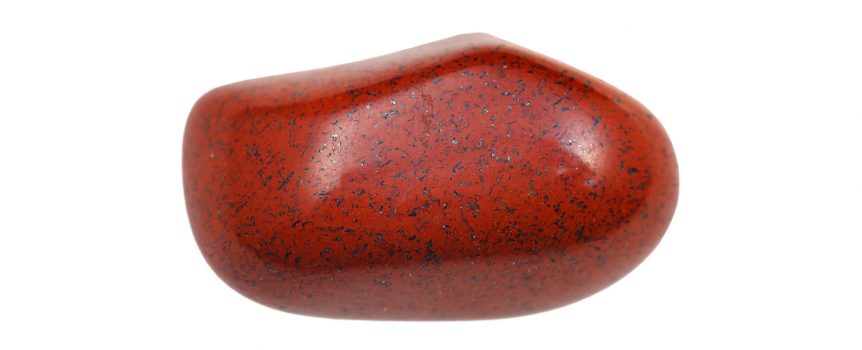
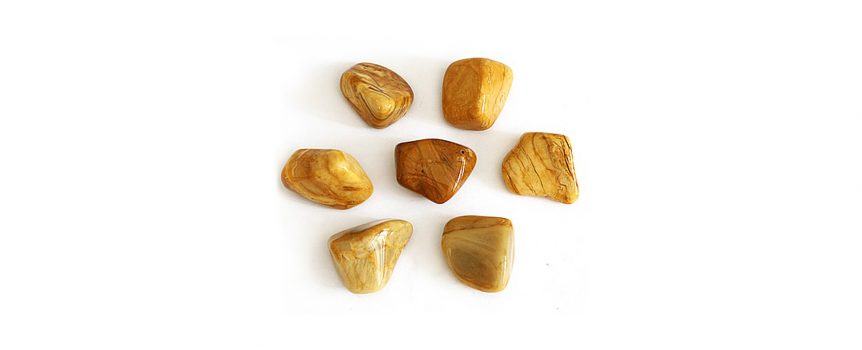
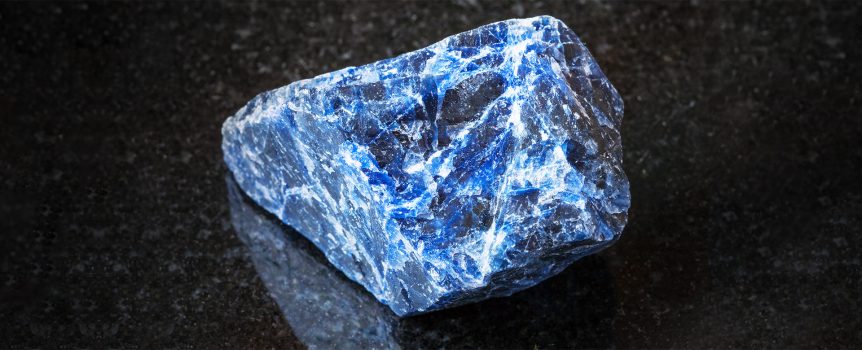
From the soothing properties of Agates to the amplifying qualities of Quartz, the iridescence of Opals to the protective embrace of Jades, and the grounding essence of Jaspers, our guide invites you to explore an array of crystal and gemstone varieties. Whether you’re seeking clarity, protection, or simply a deeper connection with the universe, our guide will illuminate the path ahead, allowing you to browse through these varieties and discover the perfect match for your journey.
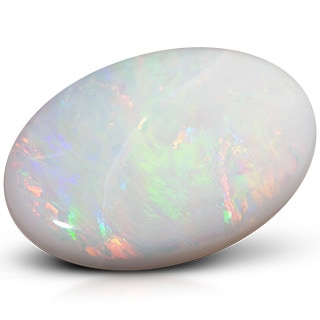
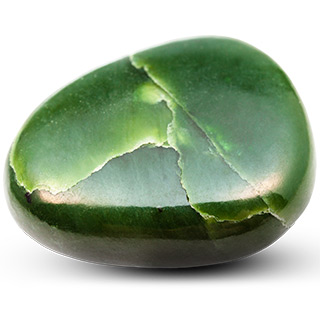
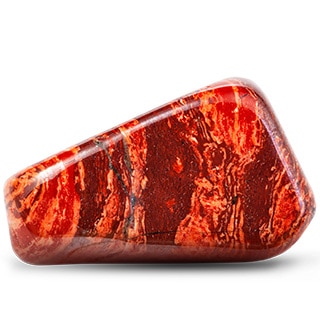
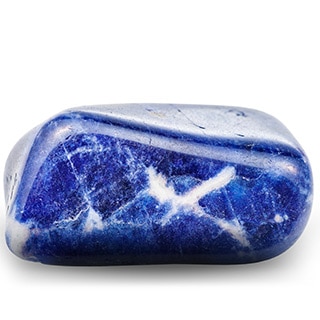
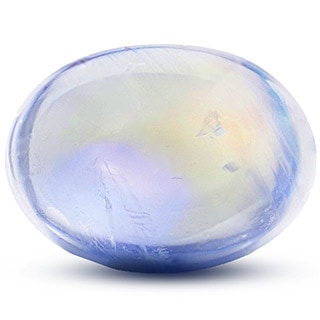
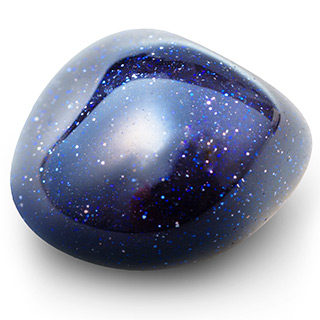
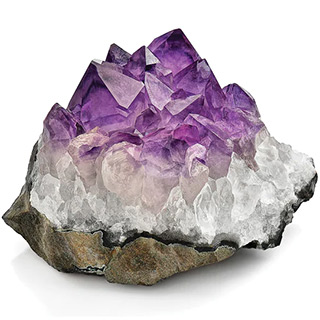
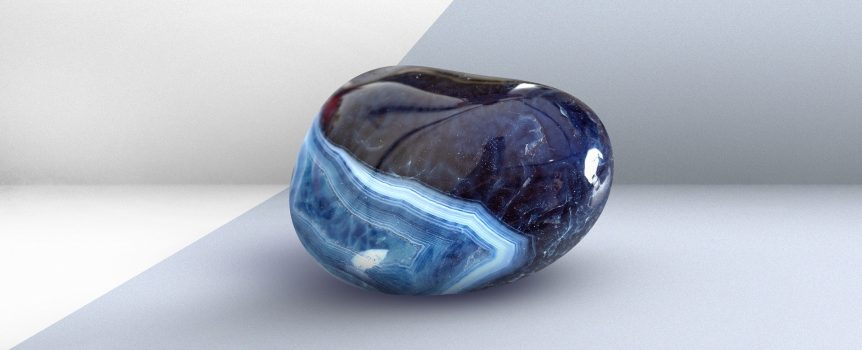
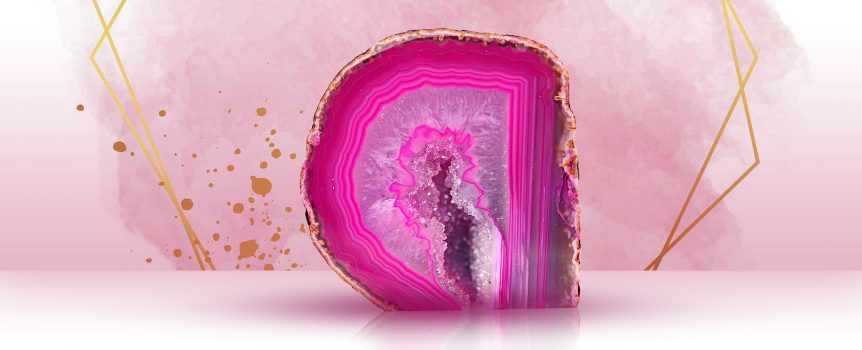
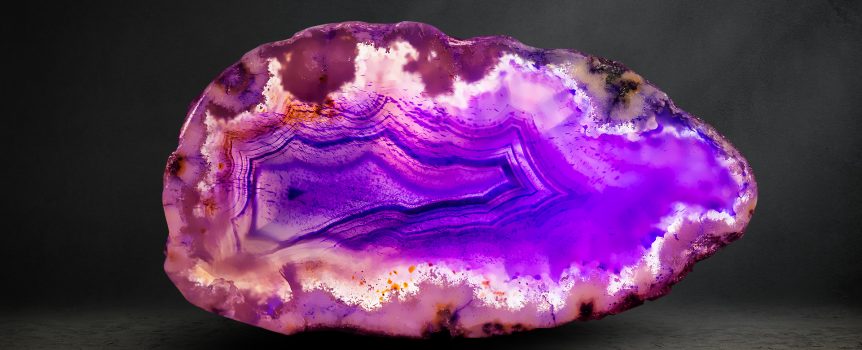
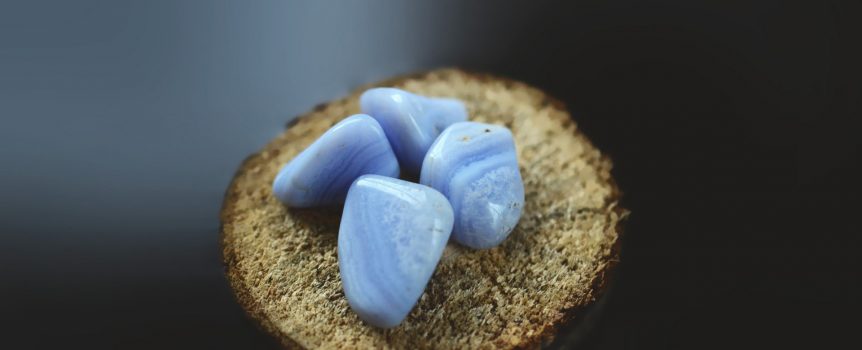
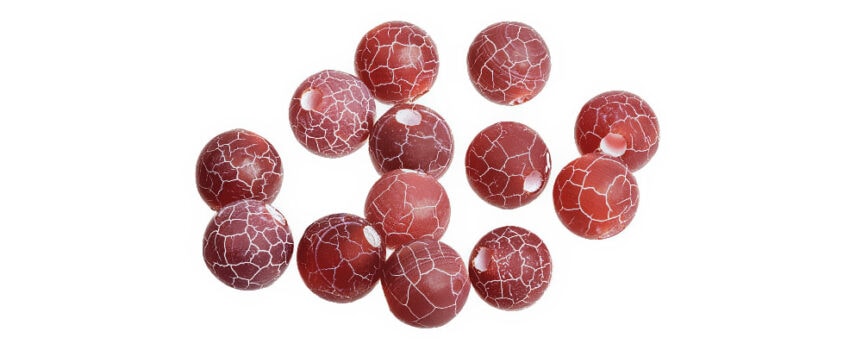
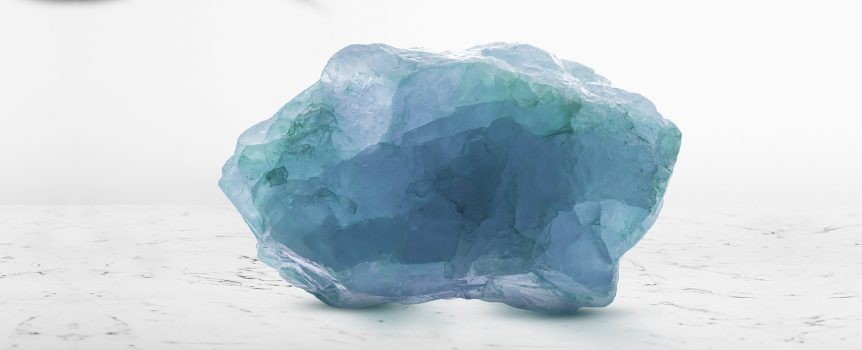
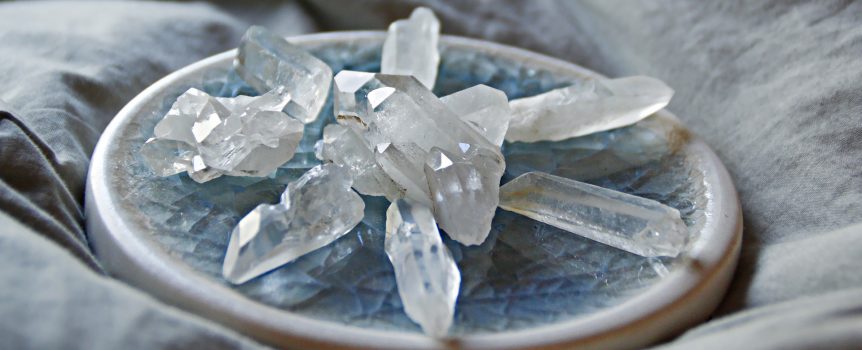
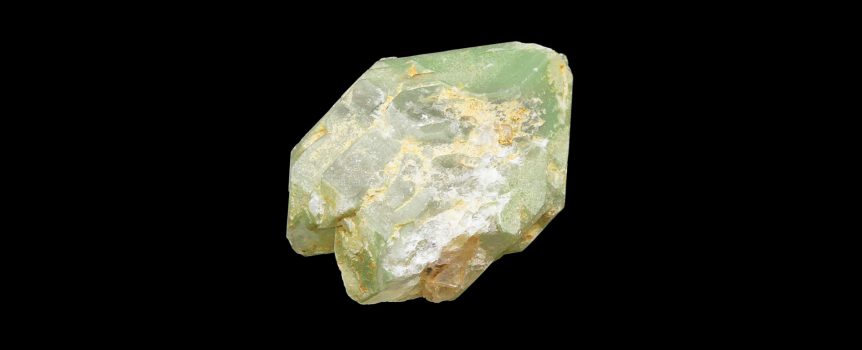
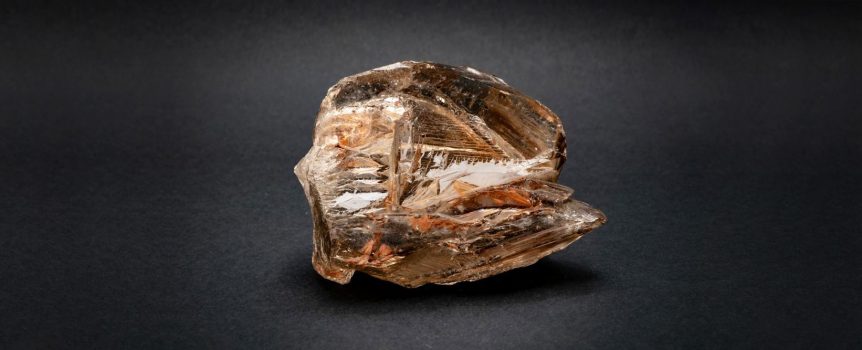
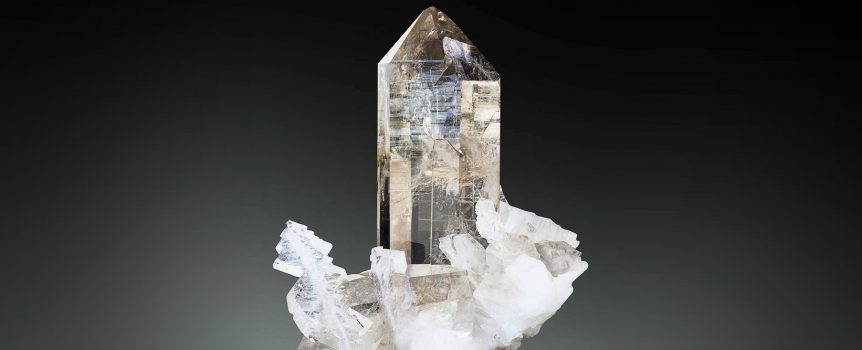
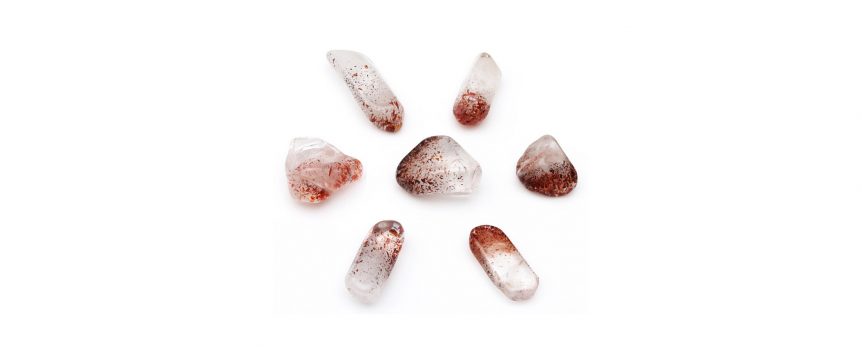
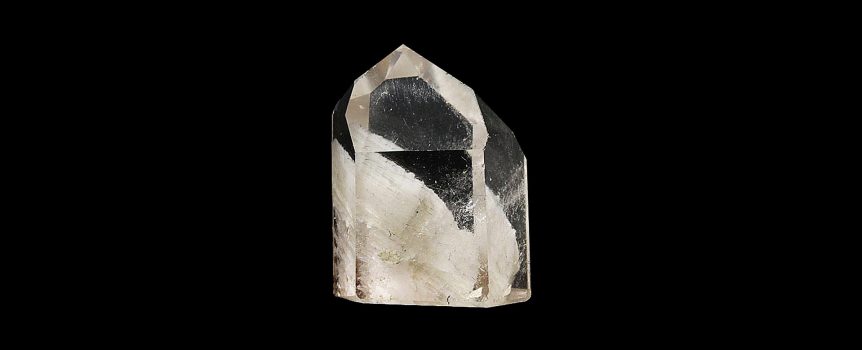
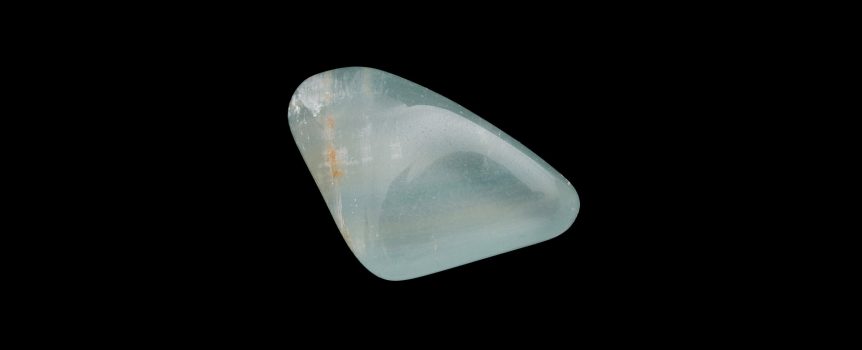
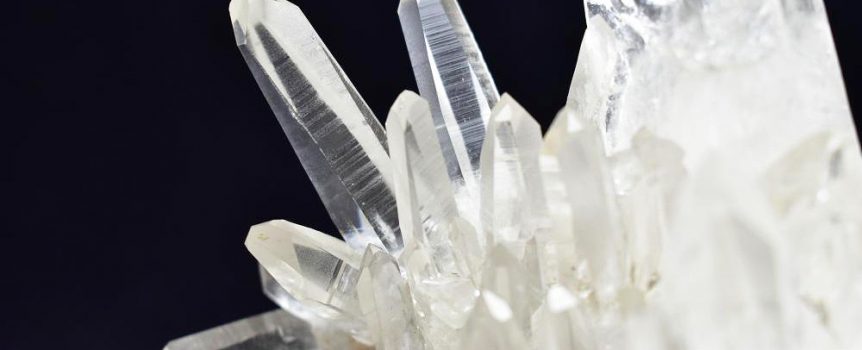
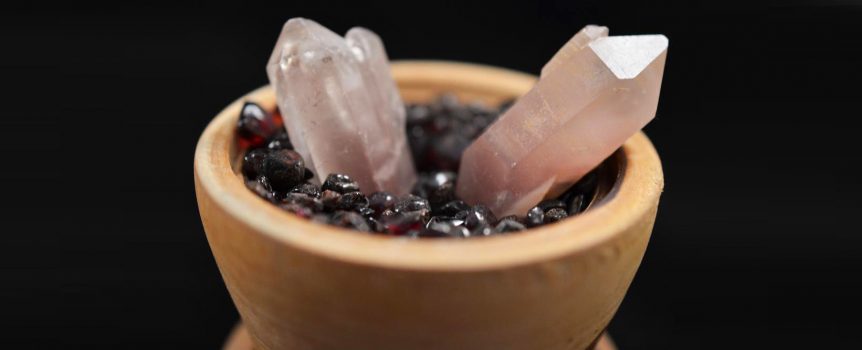
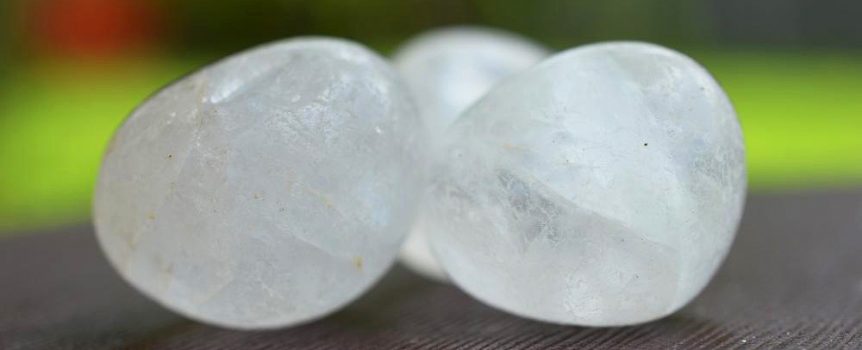
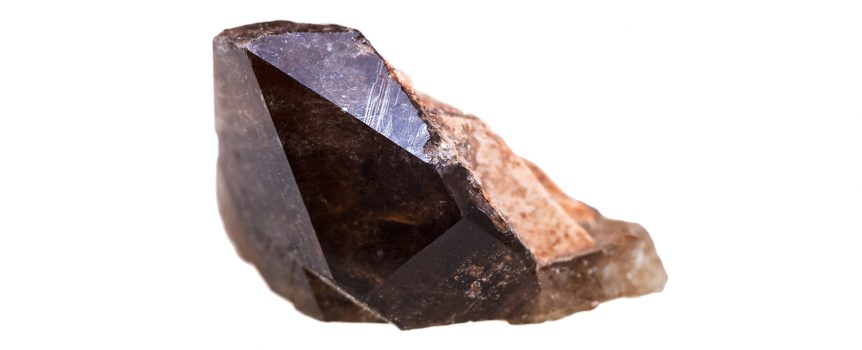
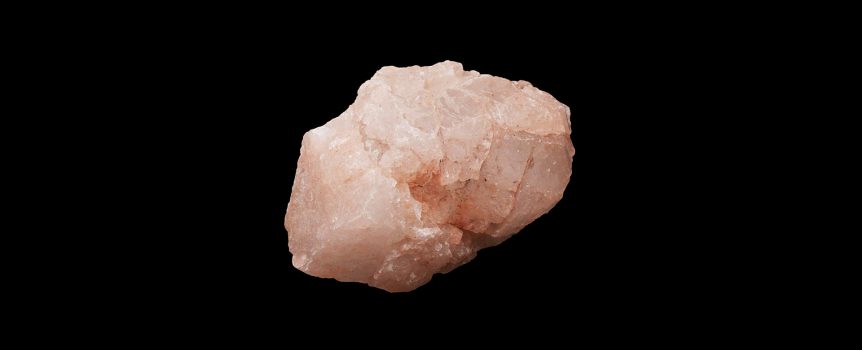
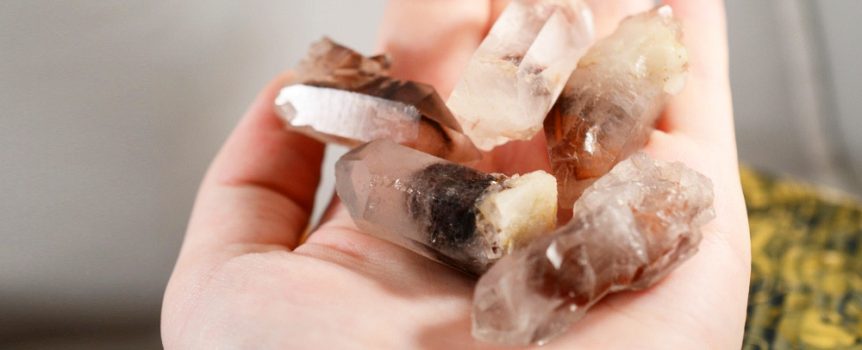
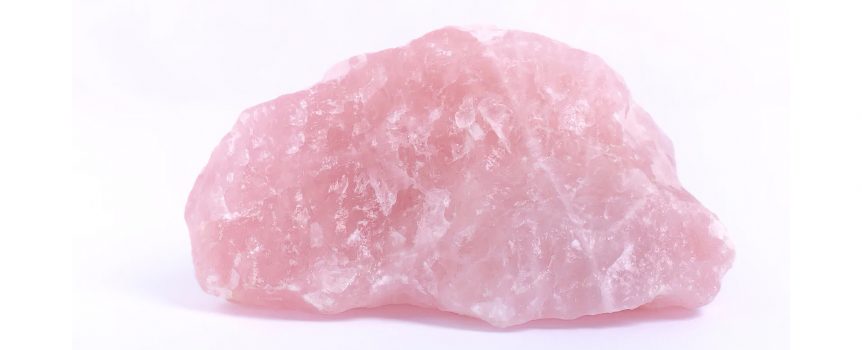
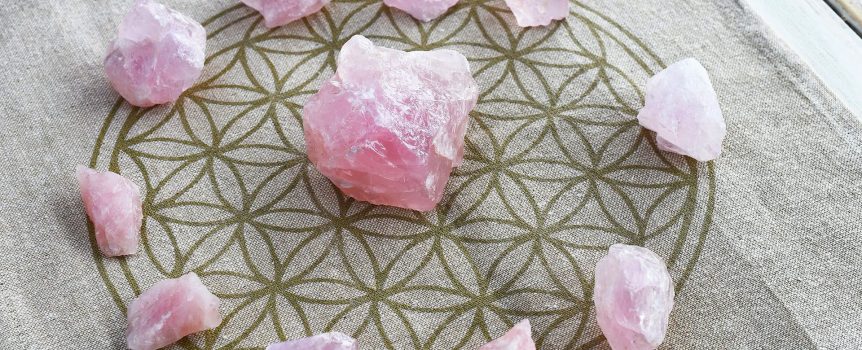
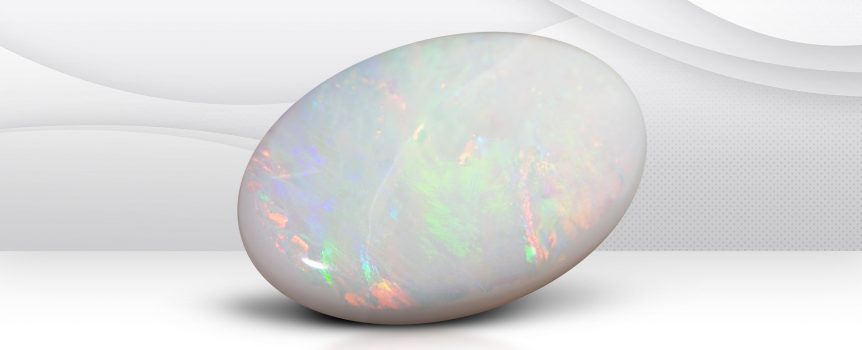
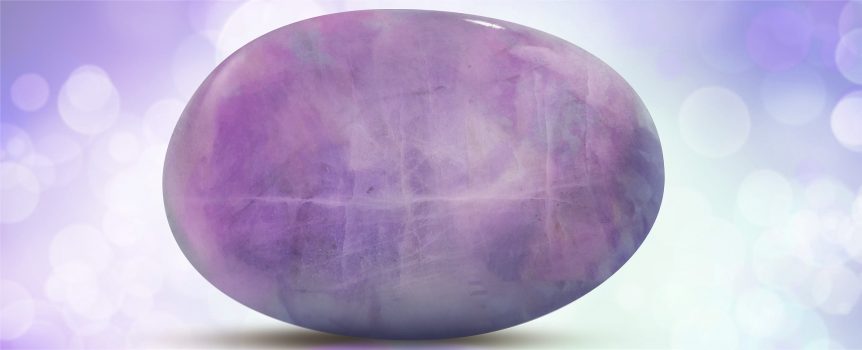
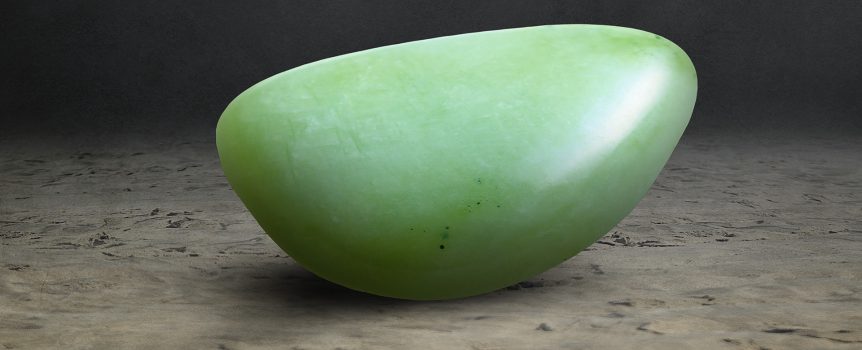
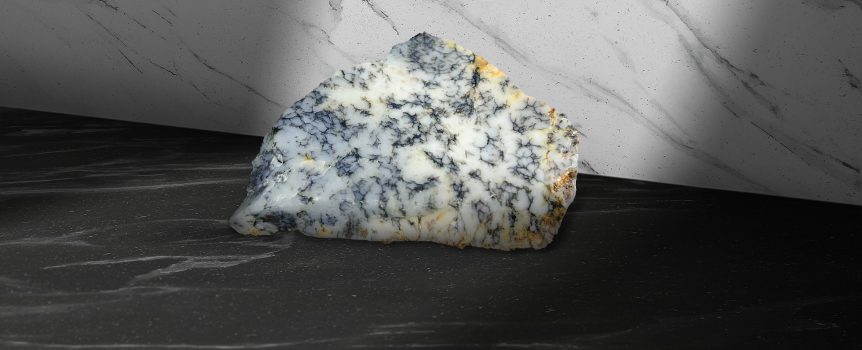
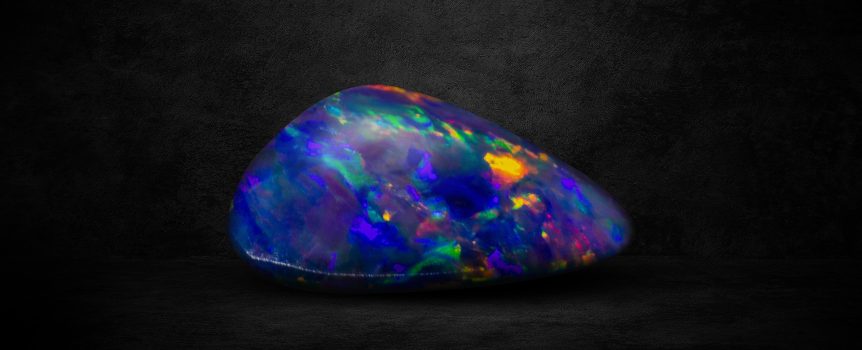
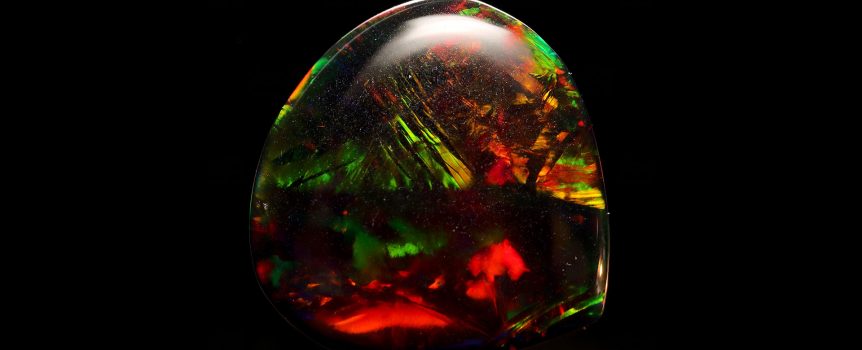
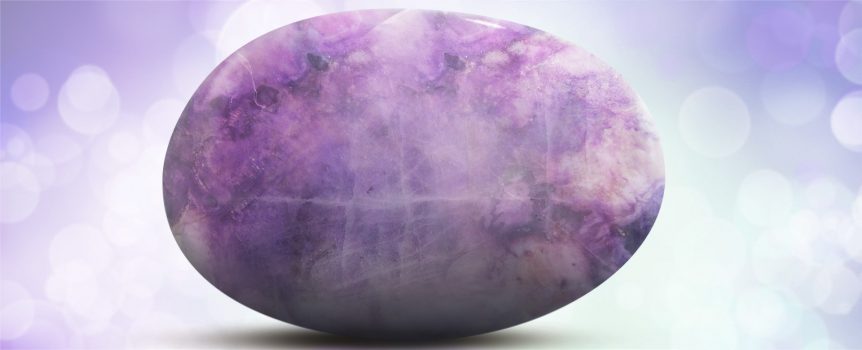
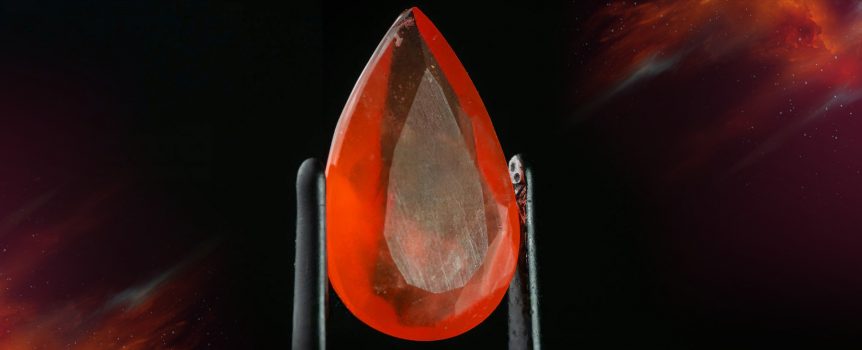


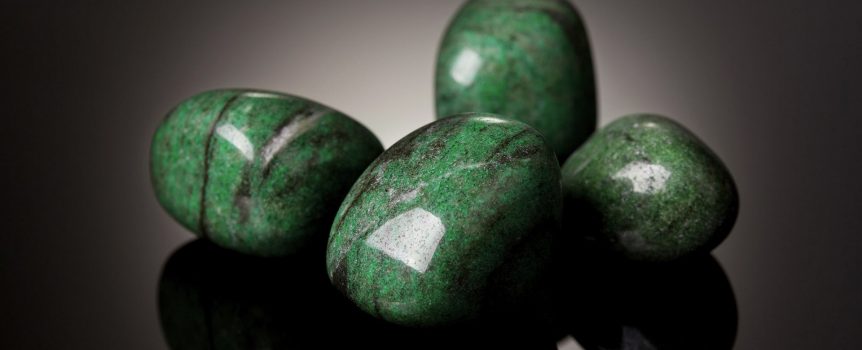
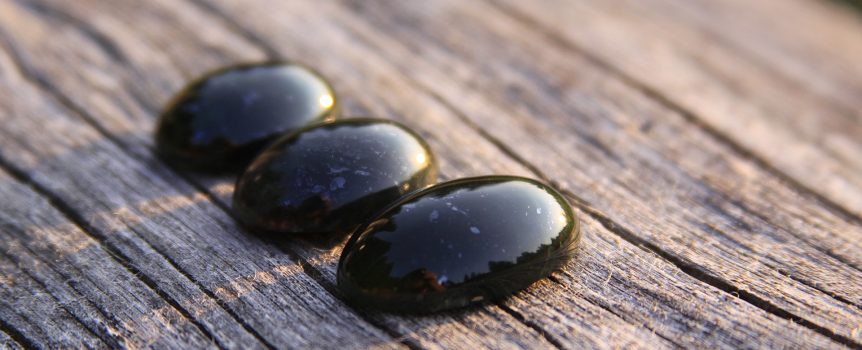
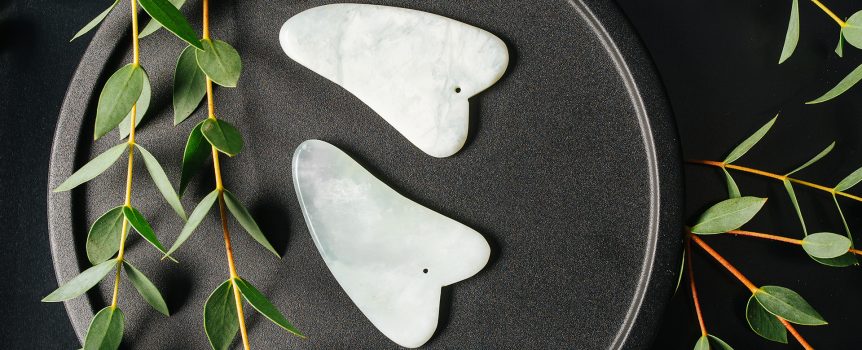
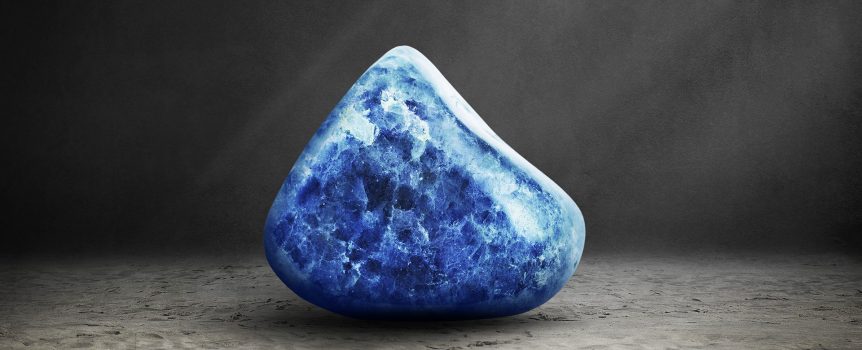
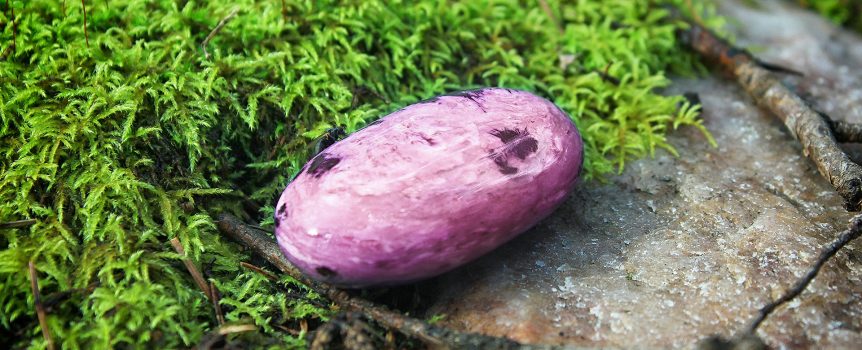
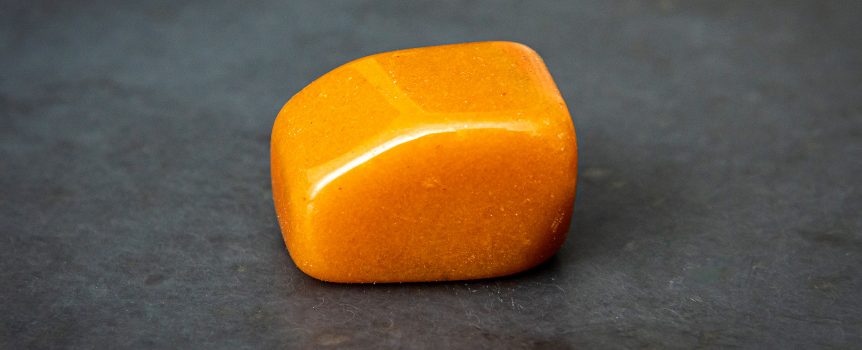
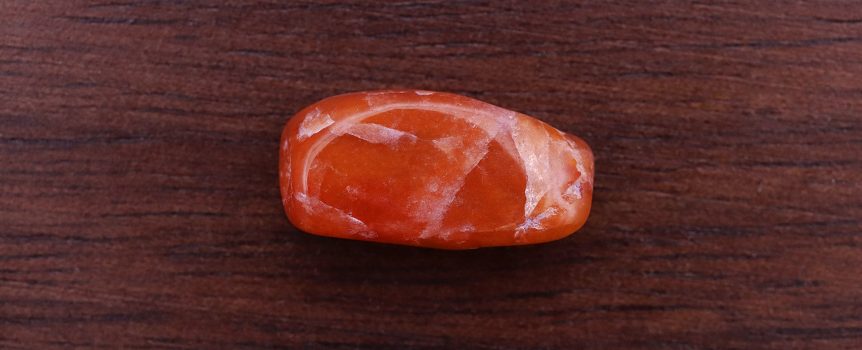
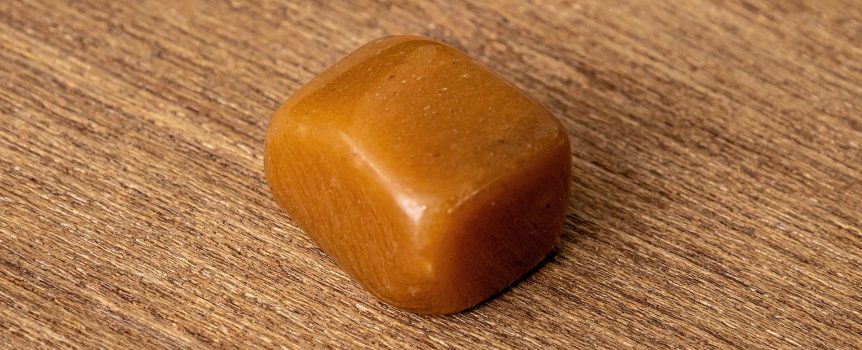
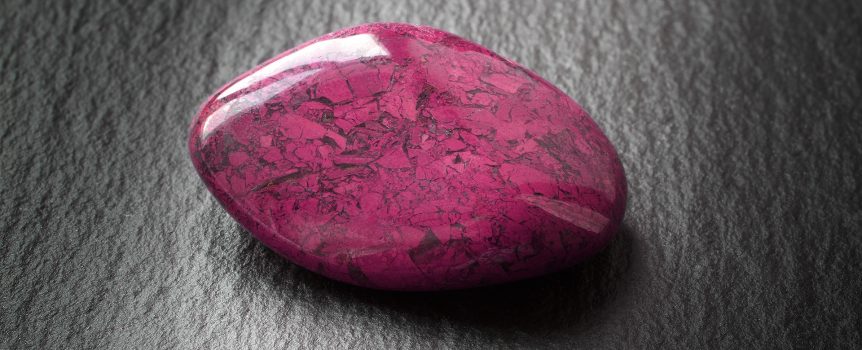
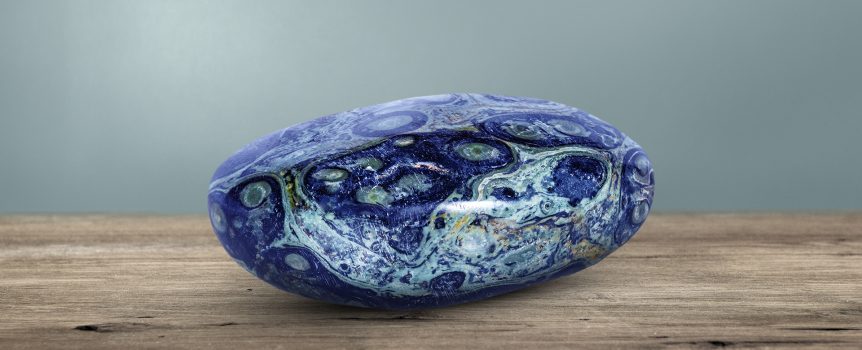
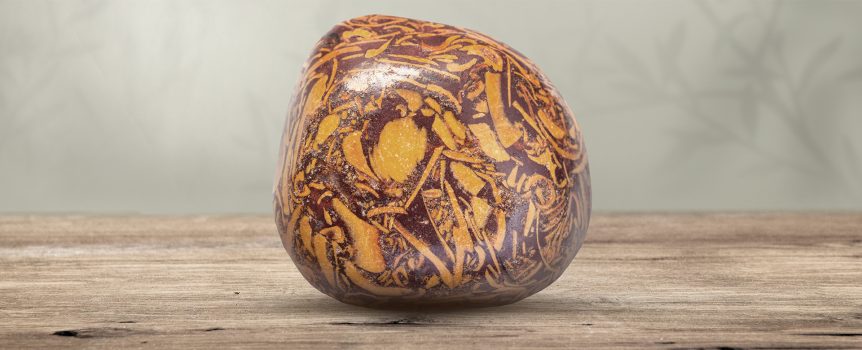
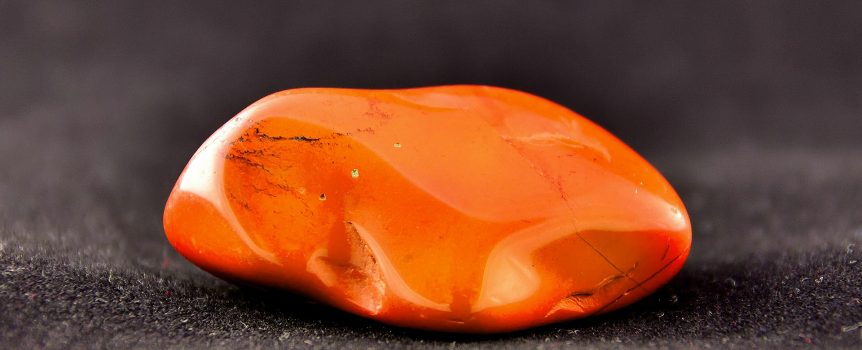
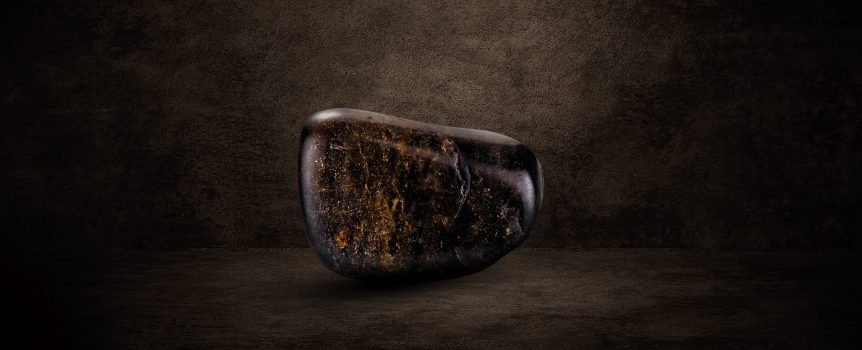
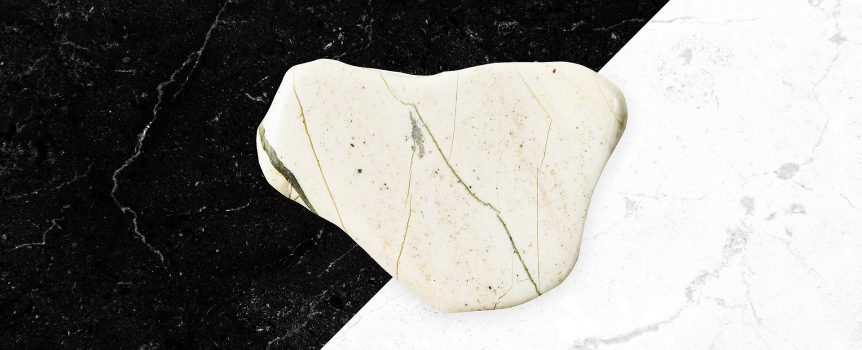
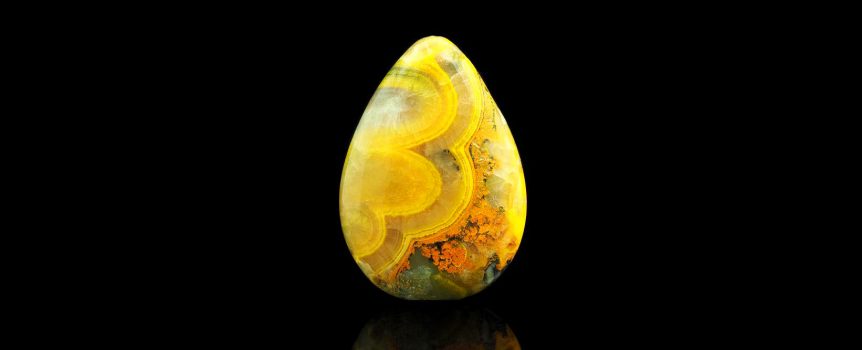
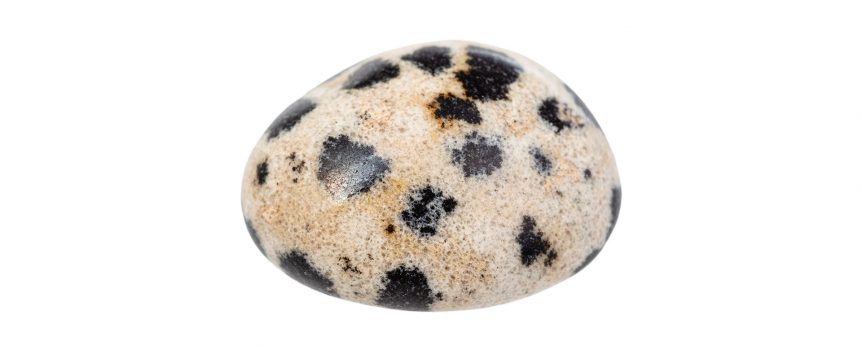
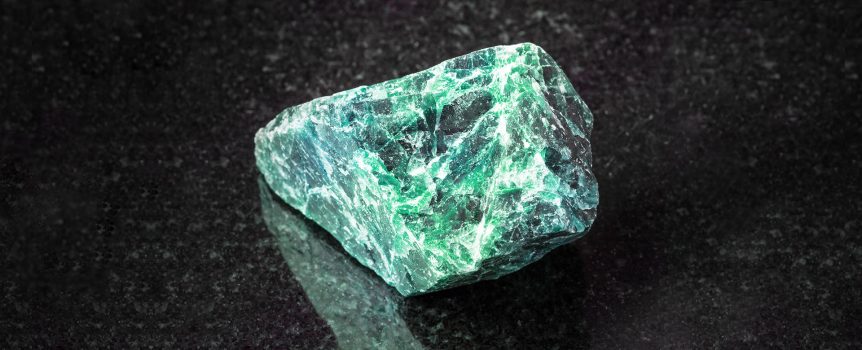

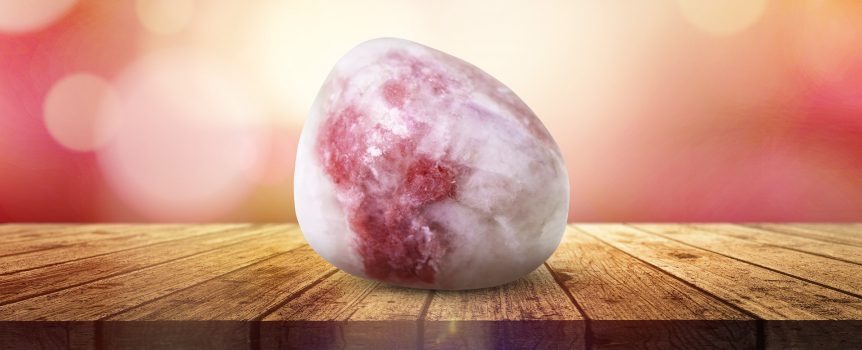
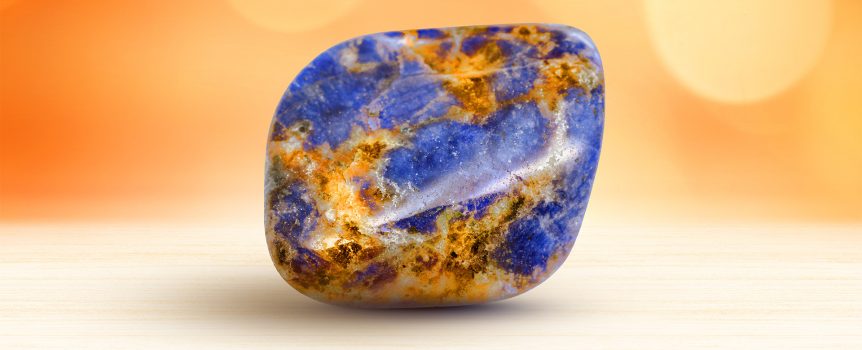
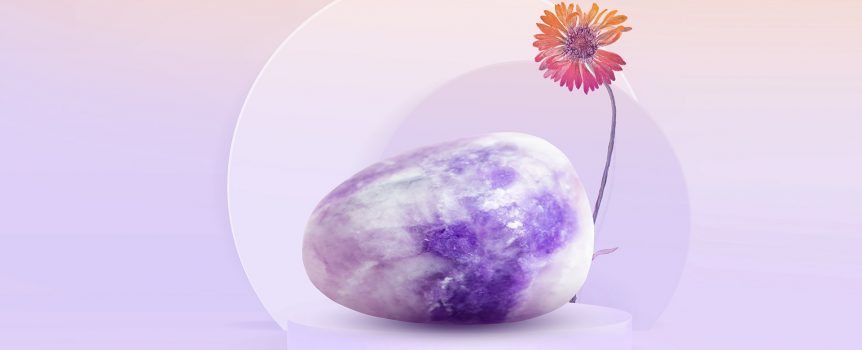
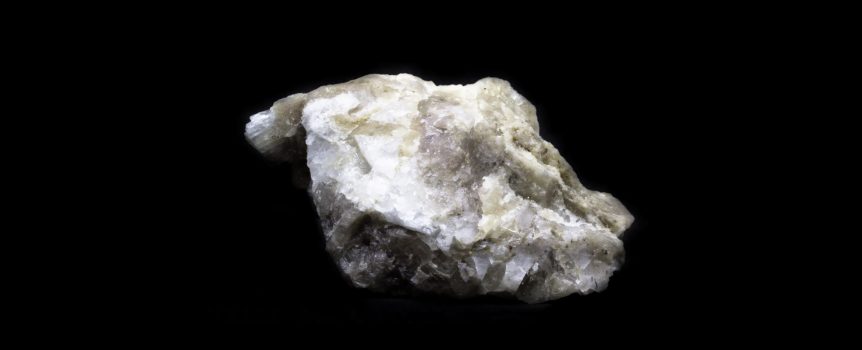
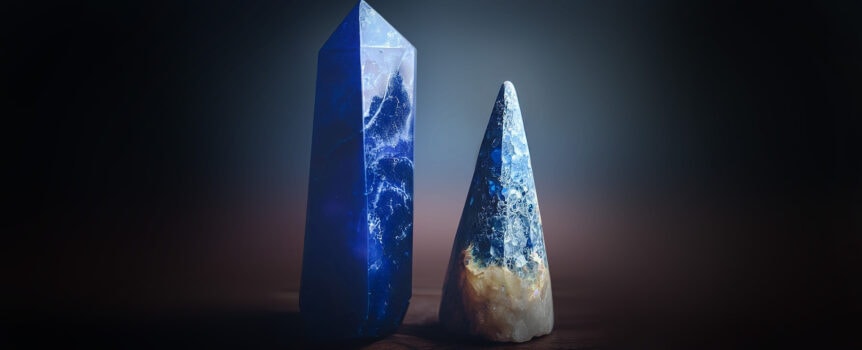
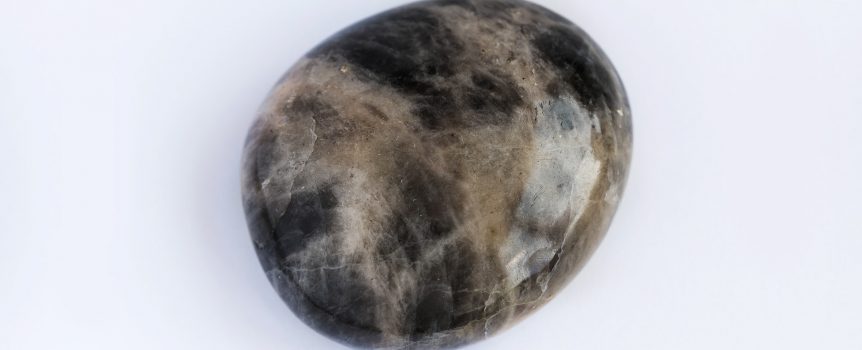
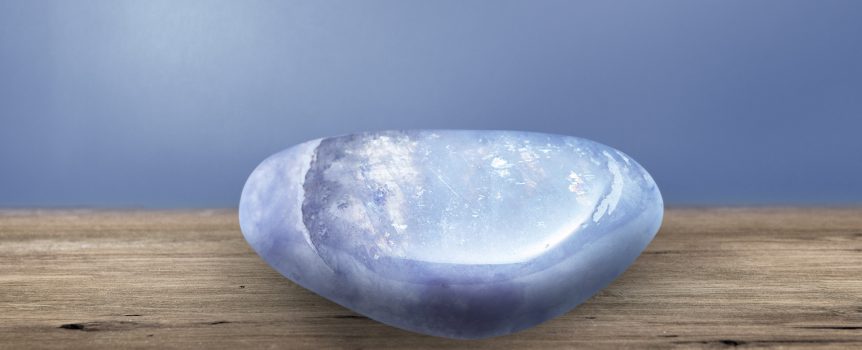
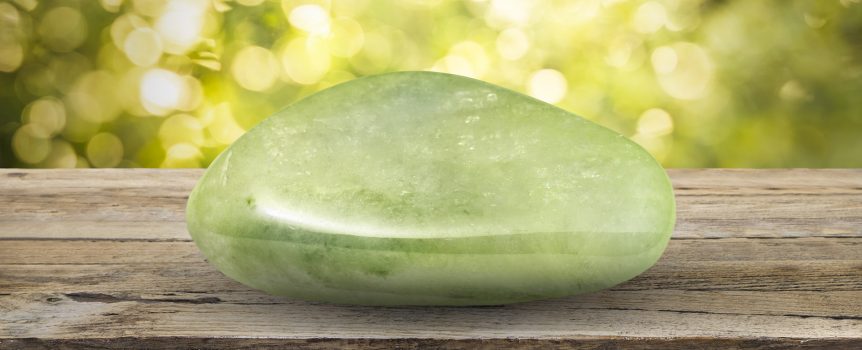
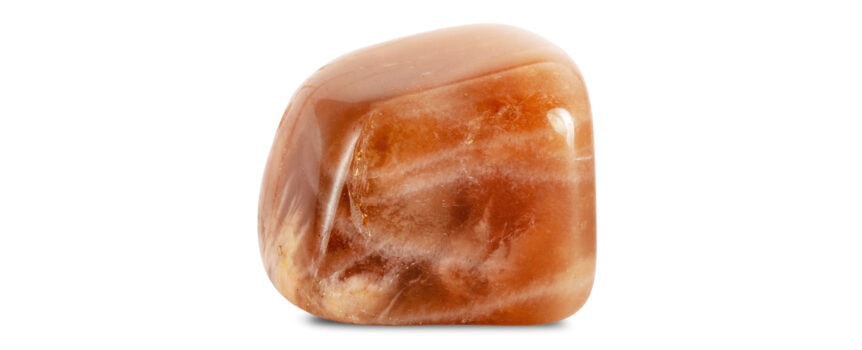
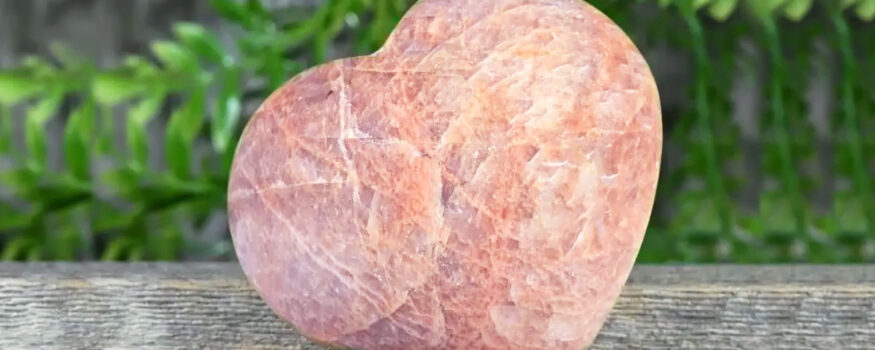
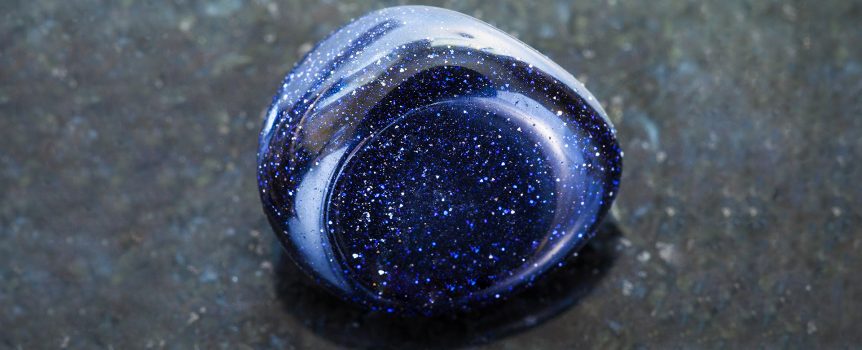
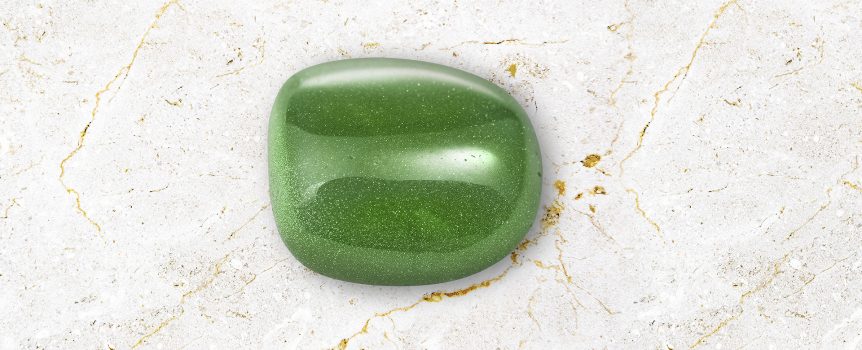
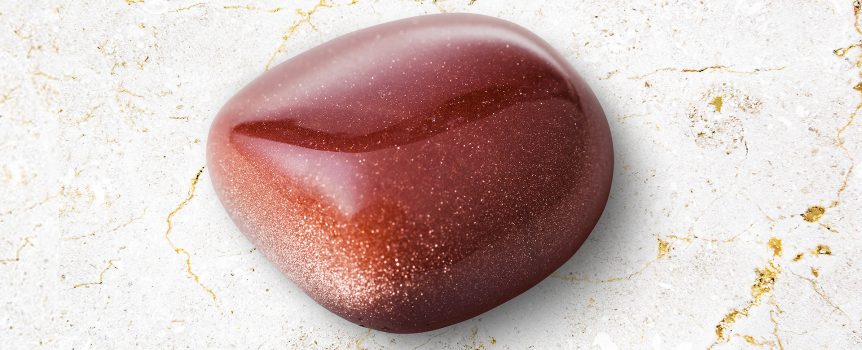
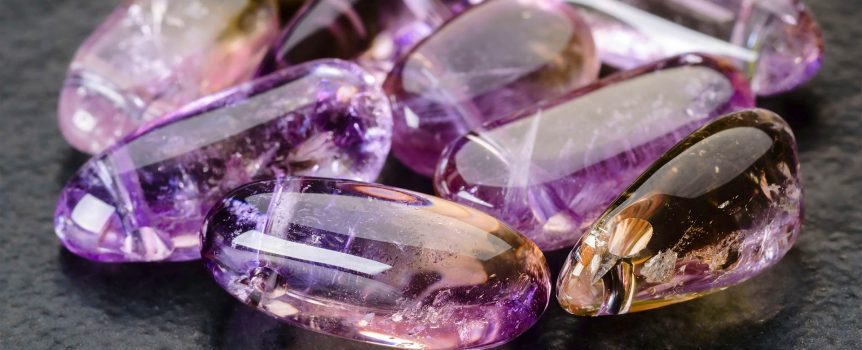
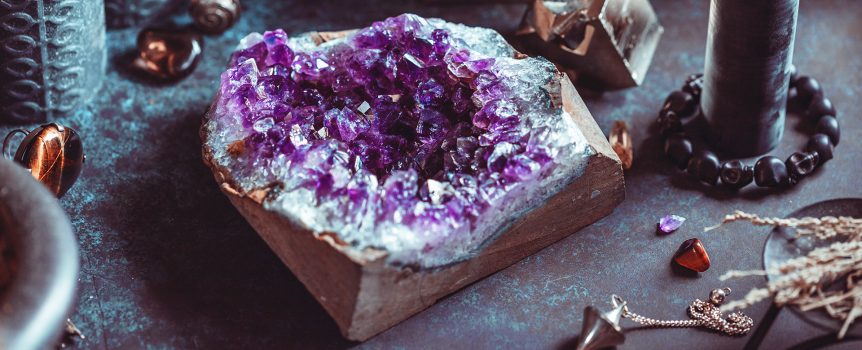
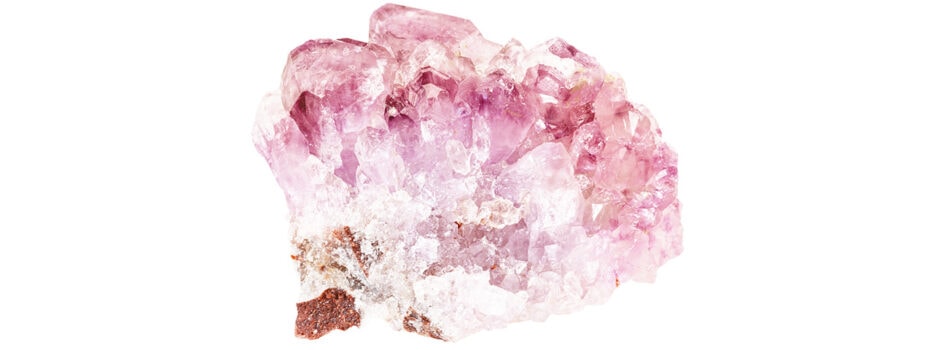
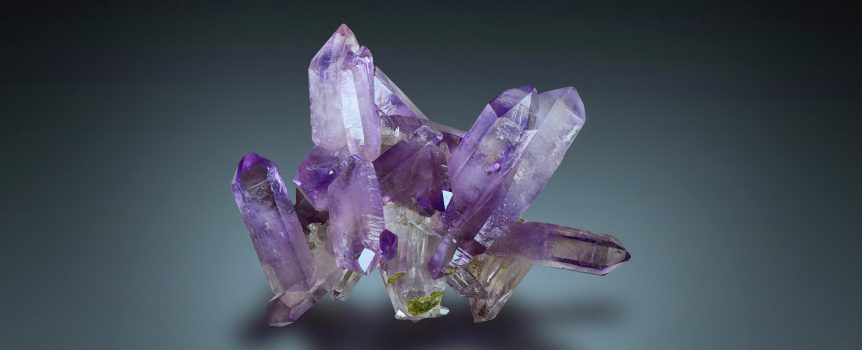
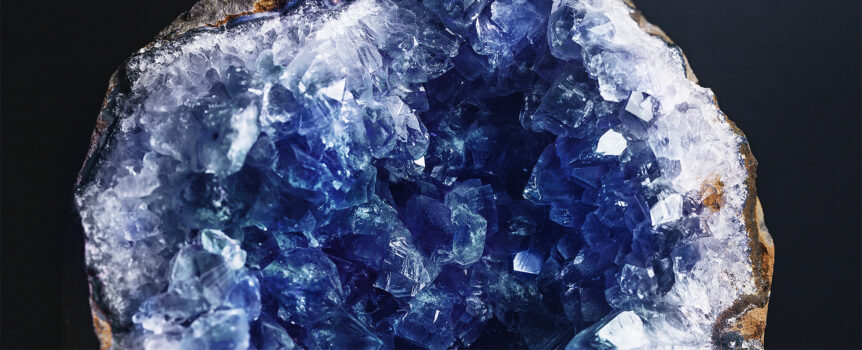
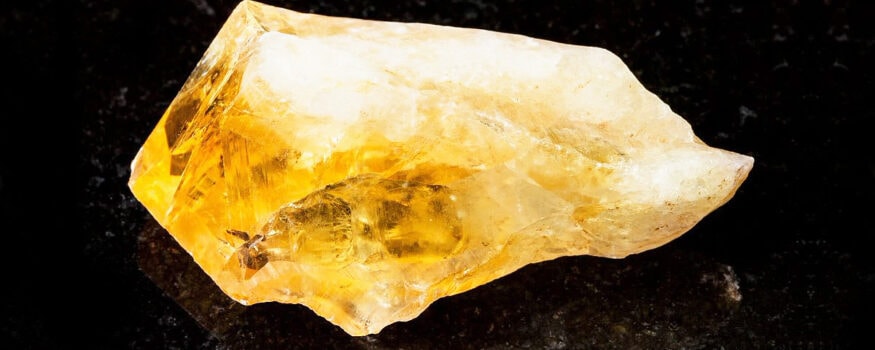
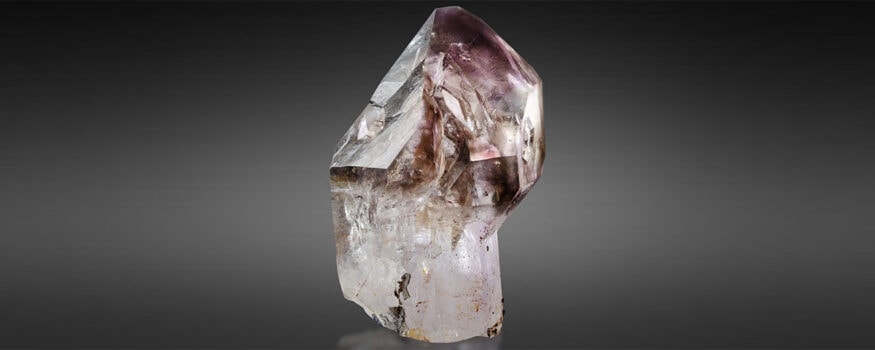
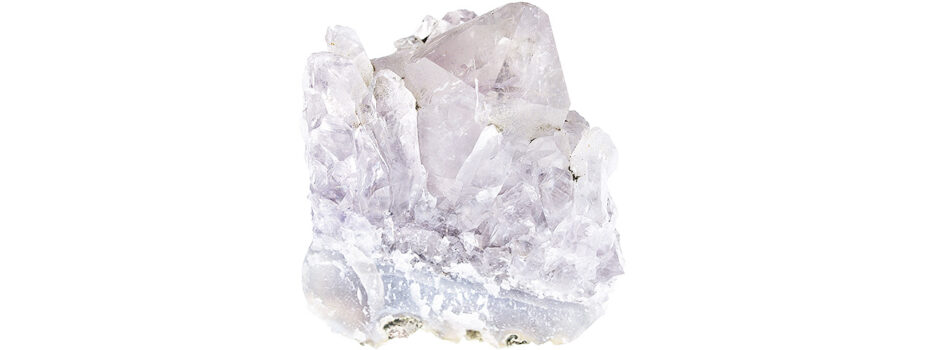
Browse Crystals & Gemstones by Criteria
Discover Your Perfect Gem!





Handpicked Gems: Recommended Reads
Must-Read Articles Selected for You
Zodiac Birthstones
Cosmic Gems: Explore Birthstones Aligned with Your Zodiac Sign

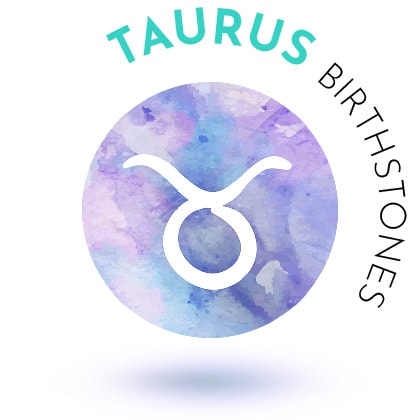
 Dates: April 21 – May 21
 Element: Earth
 Ruling planet: Venus
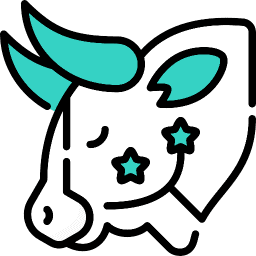 Symbol: BullBirthstones: Emerald, Diamond, Sapphire, Malachite, Clear Quartz, Rose Quartz





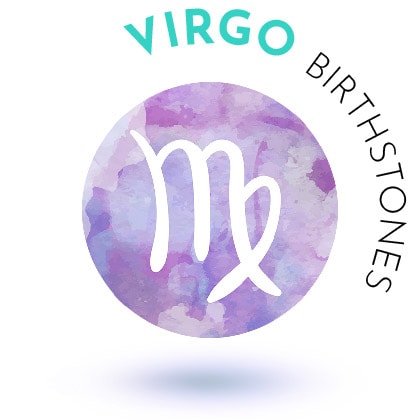 Dates: August 24 – September 23Element: Earth
 Ruling planet: Mercury
 Symbol: VirginBirthstones: Blue Sapphire, Garnet, Spinel, Sardonyx, Peridot, Lapis Lazuli
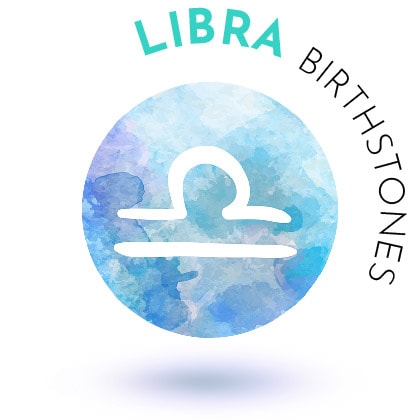 Dates: September 24 – October 23
 Element: AirRuling planet: Venus
 Symbol: ScalesBirthstones: Opal, Peridot, Agate, Lapis Lazuli, Sapphire, Tourmaline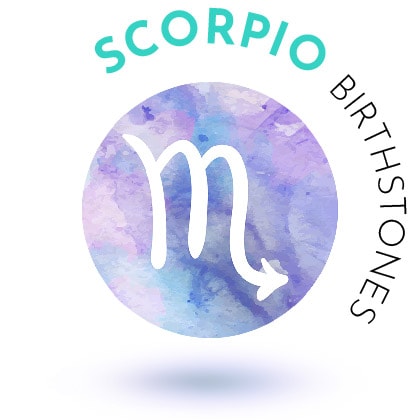
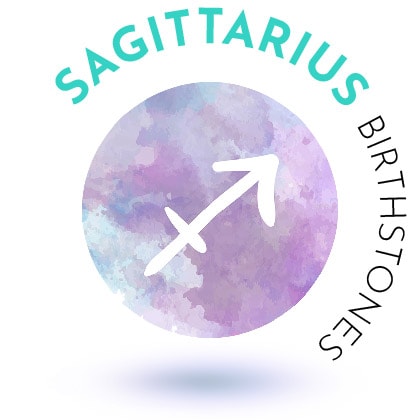
 Dates: December 22 – January 20Element: Earth
 Ruling planet: Saturn
 Symbol: GoatBirthstones: Garnet, Blue Sapphire, Lapis Lazuli, Black Tourmaline, Onyx, Smoky Quartz


Sparkling Know-How: Your Guide to Jewelry
Explore our jewelry guides to learn more about precious metals, jewelry care, Necklaces, and ring sizing.